
• Ancient Greece
  • Religious Interest
  • Travel in Nature
  • Travel Cost Calculator
No Result
View All Result
Exploring Greece TV
  • HOME
  • ATHENS
  • ATTICA
    • East Attica
    • North Attica
    • South Attica
    • West Attica
    • beaches of Attica
    • Argosaronic Islands
  • GREECE
    • PELOPONNESE
    • WEST GREECE
    • CENTRAL GREECE
    • THESSALY
    • CENTRAL MACEDONIA
    • EAST MACEDONIA
    • THRACE
    • EPIRUS
    • IONIAN ISLANDS
    • AEGEAN ISLANDS
      • NORTH AEGEAN ISLANDS
      • SPORADES
      • CYCLADES
      • DODECANESE
    • CRETE
  • CYPRUS
  • MORE
    • Ancient Greece
    • Travel in Nature
    • Religious Interest
  • SO YOU KNOW
  • I AM GREEK
    • PEOPLE
  • Greek
Exploring Greece TV
  • HOME
  • ATHENS
  • ATTICA
    • East Attica
    • North Attica
    • South Attica
    • West Attica
    • beaches of Attica
    • Argosaronic Islands
  • GREECE
    • PELOPONNESE
    • WEST GREECE
    • CENTRAL GREECE
    • THESSALY
    • CENTRAL MACEDONIA
    • EAST MACEDONIA
    • THRACE
    • EPIRUS
    • IONIAN ISLANDS
    • AEGEAN ISLANDS
      • NORTH AEGEAN ISLANDS
      • SPORADES
      • CYCLADES
      • DODECANESE
    • CRETE
  • CYPRUS
  • MORE
    • Ancient Greece
    • Travel in Nature
    • Religious Interest
  • SO YOU KNOW
  • I AM GREEK
    • PEOPLE
  • Greek
No Result
View All Result
No Result
View All Result
Exploring Greece TV
  • Ancient Greece
  • Religious Interest
  • Travel in Nature
  • Travel Cost Calculator

The area of Athens that was once a slum

Exploring Greece TV by Exploring Greece TV
in ATHENS, Old Athens
A A
Share on FacebookShare on Twittershare
—
—
—

The areas of Athens have changed their appearance over the years and some have become unrecognizable. Others were created more recently and others count centuries of life by changing names from time to time. Like the slum district you see in the photo which is currently located in a beautiful area of Athens. It was built after the Asia Minor disaster to accommodate some of the thousands of refugees who arrived in Athens. It was very close to the historic center of the city.

Houses hastily and carelessly built and a life that had to start from the beginning with all the difficulties accompanying such a task. No bathroom, no sanitation and no electricity. they were made up hastily, exposed to the weather and of course without drainage, bath and electricity. The Neos Kosmos district (literally translated as “New World”), would now be the new home for thousands of refugees.

Neos Kosmos district the area of Athens that was once a slum

The small neighborhood at the time was called Dourgouti, from the name of an old rancher who had fields in the area. Slowly it began to spread out until it became a large area the way we know it today. Before concluding to its current name, the district changed names being called “Alopeci”, “Navarino” “Metamorfosi tou Sotiros”. Many used to call it “Armenian district”, since most of the refugees came from Armenia.

In 1924, a first attempt was made to rehabilitate the region’s refugees. Then, 24 detached houses were built in six rows, which were called “Italian”, because they were made with money paid to Greece by Italy. A few years later, the first refugee apartment buildings, based on the architecture of Bauhaus, were erected. In August of 1944, the Germans blocked the Dourgouti district and arrested 1,200 people. 120 of them were executed immediately, while nearly 600 were moved to concentration camps.
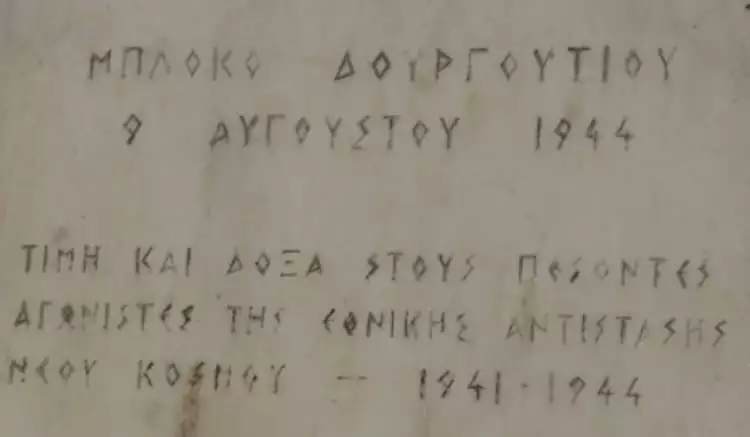
The area of Athens that was once a slum

The most organized reconstruction of the area, however, began in the 1960s.

The area expanded however, and gradually the neighborhood of Neos Kosmos district took on a different form with only some samll areas reminiscent of the slum city that was it once was. The New World is today a beautiful neighborhood with many neoclassical houses reminiscent of another era…

Which area of Attica was the well-known Kakosalesi

Frequently Asked Questions

Neos Kosmos was originally a slum district built after the Asia Minor disaster in the 1920s to accommodate thousands of refugees arriving in Athens. The hastily constructed houses lacked basic amenities like bathrooms, sanitation, electricity, and drainage. The area was initially called Dourgouti, named after a local rancher who owned fields there.

The Neos Kosmos district was created to provide shelter for the thousands of refugees who arrived in Athens following the Asia Minor disaster. The name 'Neos Kosmos' literally means 'New World' in Greek, reflecting the hope for a fresh start for displaced families seeking refuge near Athens' historic center.

Before settling on the name Neos Kosmos, the district was called by several names including Dourgouti (after a local rancher), Alopeci, Navarino, and Metamorfosi tou Sotiros. Many locals also referred to it as the 'Armenian district' because the majority of refugees came from Armenia.

The first rehabilitation attempt occurred in 1924 when 24 detached houses were built and called 'Italian' houses due to Italian funding. Later, Bauhaus-style apartment buildings were erected. The most significant organized reconstruction began in the 1960s, gradually transforming the area into a beautiful neighborhood with neoclassical houses while preserving some historical remnants.

In August 1944, German forces blockaded the Dourgouti (Neos Kosmos) district and arrested approximately 1,200 people. Of these, 120 were executed immediately, while nearly 600 were deported to concentration camps, representing a tragic chapter in the neighborhood's history.

Tags: history of AthensMainland GreeceREGION OF ATTICAΝέος ΚόσμοςAthens areas
ShareTweetShare

Related Posts

ATHENS

Athens: a stroll to Psyrri, a quaint corner of the city center

ATHENS

Legendary Athens cinemas that have survived

Τα επιβλητικά κτίρια του Ερνέστου Τσίλλερ στην Αθήνα
ATHENS

The imposing buildings of Ernst Ziller in Athens

ATTICA

Asimaki: The beautiful <pure> beach in Attica

ATTICA

An enchanting island of Attica great for swimming

ATHENS

Three alterations that could change Athens and Attica

ATTICA

Attica: the monastery of Cleiston on Mount Parnitha

ATHENS

This main Athens avenue was once a dirt track with chickens

Facebook Youtube Twitter Youtube Vimeo Instagram

our Webisites

ExploringGreece.tv

  • About ExploringGreece.tv
  • Data Protection Policy
  • Terms of Use
  • Website ID information
  • Contact us

See Also

  • Ancient Greece
  • Religious Interest
  • Travel in Nature
  • Travel Cost Calculator

Copyright © 2017-2026 Viewmax Media.

  • HOME
  • ATHENS
  • ATTICA
    • East Attica
    • North Attica
    • South Attica
    • West Attica
    • beaches of Attica
    • Argosaronic Islands
  • GREECE
    • PELOPONNESE
    • WEST GREECE
    • CENTRAL GREECE
    • THESSALY
    • CENTRAL MACEDONIA
    • EAST MACEDONIA
    • THRACE
    • EPIRUS
    • IONIAN ISLANDS
    • AEGEAN ISLANDS
      • NORTH AEGEAN ISLANDS
      • SPORADES
      • CYCLADES
      • DODECANESE
    • CRETE
  • CYPRUS
  • MORE
    • Ancient Greece
    • Travel in Nature
    • Religious Interest
  • SO YOU KNOW
  • I AM GREEK
    • PEOPLE
  • Greek
No Result
View All Result
  • en English
  • el Ελληνικα

Copyright © 2017-2026 Viewmax Media.

  • HOME
  • ATHENS
  • ATTICA
    • East Attica
    • North Attica
    • South Attica
    • West Attica
    • beaches of Attica
    • Argosaronic Islands
  • GREECE
    • PELOPONNESE
    • WEST GREECE
    • CENTRAL GREECE
    • THESSALY
    • CENTRAL MACEDONIA
    • EAST MACEDONIA
    • THRACE
    • EPIRUS
    • IONIAN ISLANDS
    • AEGEAN ISLANDS
      • NORTH AEGEAN ISLANDS
      • SPORADES
      • CYCLADES
      • DODECANESE
    • CRETE
  • CYPRUS
  • MORE
    • Ancient Greece
    • Travel in Nature
    • Religious Interest
  • SO YOU KNOW
  • I AM GREEK
    • PEOPLE
  • Greek
No Result
View All Result
  • en English
  • el Ελληνικα

Copyright © 2017-2026 Viewmax Media.

Newsletter

  • Greek