


The art of sculpture is special and a little more complex than it may seem. Different rules apply depending on the person or object that each sculpture represents. This is also the case with the representation of mounted warriors on a statue. Why do some horses have two legs raised or only one, right or left? Is it a coincidence? And yet no! Great importance is given by sculptors and historians to what will be the attitude of the horse to the statue of a warrior.
What does the posture of the horse symbolize in statues with warriors?
In equestrian statues, therefore, the number of legs on which the horse stands informs passers-by about the manner of death of the rider. When the horse stands on two hind legs, the rider has a violent and heroic death on the battlefield. A statue of a horse in such a position is the statue of Georgios Karaiskakis in Zappeion.

When the horse now rests on three legs, that is, as if parading in procession, it means that the rider died prematurely of illness. One such statue is of Georgios Karaiskakis in Karditsa.
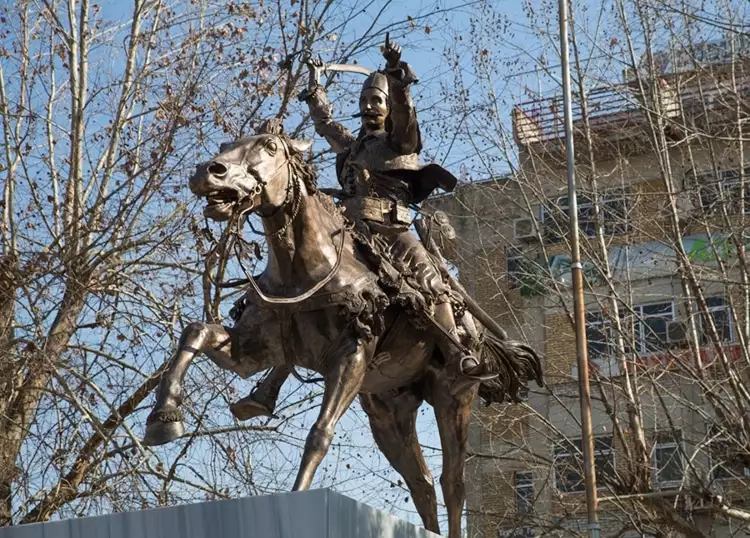
But why does it have a different attitude from that of Athens? As some say, he died from a Turkish volley and others from tuberculosis. This often happens when there are two or more opinions about the death of a warrior.
The paradox with the salt of Alexander the Great
But what about the statue of Alexander the Great in Thessaloniki, and why does the horse have two raised legs, while he died in bed from illness? It is believed that the artist wanted to convey the dynamics of the great general. Many historians consider him to be a person amenable to transcendence (like the horse in the statue) but not to historical errors.
The same happens with the statue of Theodoros Kolokotronis in the Old Parliament. It is known that Kolokotronis did not die of battle wounds. He died of a stroke at the banquet that was given for the wedding of his young son Constantine. However, not all four feet touch the ground as they do when the warrior dies of natural causes. It is assumed that the reason why the horse has such a stance is due to the desire to pay an eternal tribute to the hero.
 Theodoros Kolokotronis is attributed by Lazaros Sohos riding a male horse with his head facing to the left. Also, with his left hand, he holds the bridles. However, his right arm is outstretched, and his index finger points forward. According to urban legend, it is believed that the index finger of his right hand points towards Constantinople. Sculpture, therefore, has its own rules which can give us very interesting historical data if we study it…
Exterior photo from source: Classical Languages
Vacation In Greece
Read Also:
Quotes from Plato that Enhance Our Lives
Famous quotes by Kazantzakis about life and God that will inspire you
Follow exploringgreece.tv on Facebook and Instagram
Click on Exploringgreece.tv Google News, and press the “Follow” button to travel to Greece
Frequently Asked Questions
When a horse stands on two hind legs in an equestrian statue, it symbolizes that the warrior died a violent and heroic death on the battlefield. This posture conveys the drama and intensity of combat, such as seen in the statue of Georgios Karaiskakis in Zappeion, Athens.
When a horse appears to rest on three legs in an equestrian statue, it indicates that the rider died prematurely from illness rather than in battle. This resting posture suggests a peaceful, processional stance, as exemplified by the Georgios Karaiskakis statue in Karditsa.
The statue of Alexander the Great in Thessaloniki shows a horse with two raised legs despite Alexander dying of illness in bed, not in battle. The artist chose this pose to convey the dynamics and transcendent nature of the great general rather than strictly follow the historical death convention.
Theodoros Kolokotronis died of a stroke at a banquet, not from battle wounds, yet his statue shows the horse not fully grounded. This artistic choice was made as an eternal tribute to the hero, prioritizing reverence over strict adherence to the symbolic leg-position rule.
Equestrian statues follow specific symbolic rules: two raised legs indicate violent battlefield death, three legs indicate premature death from illness, and all four legs on the ground suggest natural death. However, artists sometimes deviate from these rules to convey the character or pay tribute to the warrior's legacy.


