


The Cyclades are from side to side full of churches and monasteries. Others are more central and others seem they hang on the rocks. You may even see churches in caves that you can only reach from the sea. One of those islands that have many well-preserved churches is Naxos. The most historic church of the approximately 130 Byzantine churches located in Naxos is the Panagia Drosiani. It is so special for the residents of the island but also for the visitors.
Panagia Drosiani: The historic church of Naxos
Panagia Drosiani is one of the most beautiful and oldest Byzantine temples not only in Naxos but also in the whole of Greece. It is a small but graphical chapel close to the villages of Moni and Halki.
The church in the past was a Catholic monastery and has a unique architecture. It is built with a bare stone structure, a conical taper with a dome, and three one-room chapels with domes on the north side. Some of the wall paintings that have survived have been dated from the 6th century. In fact, experts evaluate them as the oldest in the Balkans.
The most famous of these are two paintings in the Dome of the Temple that present Jesus Christ as a young boy and then as an adult man. The rest of the paintings that they have survived have been evaluated and they were made in the 11th century to the 14th century.

In addition, inside the church, you are going to see the marble temple, the marble candlesticks, and the old icon of Panagia Drosiani. For these items over the centuries, there have been many legends and traditions.
One legend references that the picture of Panagia used to sweat every time the inhabitants of the Monastery were threatened by some danger. Another legend references that, the Virgin Mary had blessed with her grace the place, by giving it water, and because of that the place has a nice cool environment.
Finally, the rest of the chapels that surround it on the north side have a special architecture. Two of them have square domes. Another of its characteristic is the small cemetery which is located near the entrance of the church.
Useful information about Panagia Drosiani
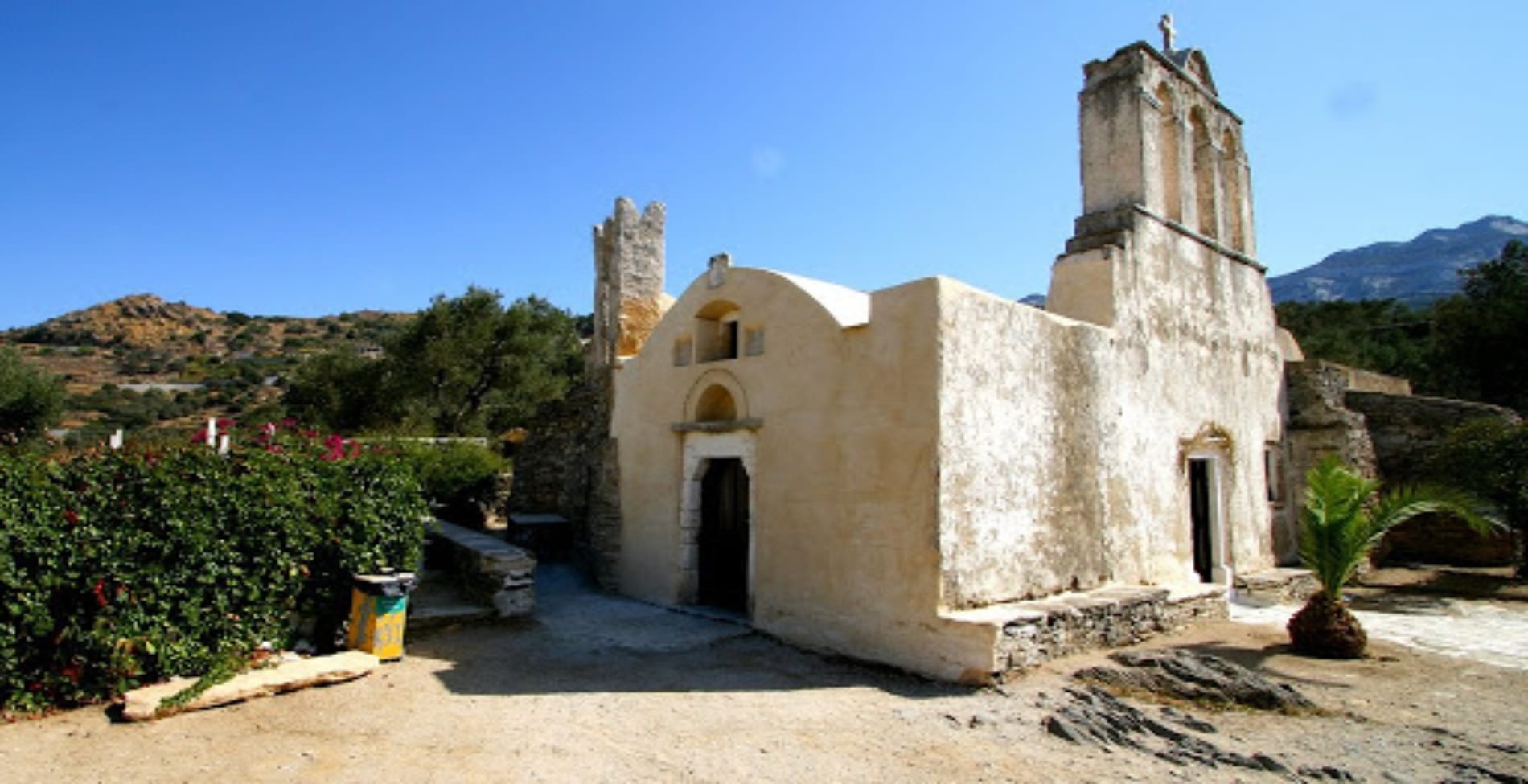
The Byzantine church is located 30 minutes from the town (country) of the island by the road that passes through the villages and the mainland of Naxos.
If you want to make a stop on your route it is worth visiting the village of Halki, which is located in the wider area of the so-called Tragaia. It is only a few kilometers away. Naxos will generally leave you with the best impressions if it has not already done so from your previous trip there …
External photography source: Olaf Tausch
Read also:
Rhodes: The unique sights of the Medieval city
Assos: The exotic paradise in Kefalonia
Koufonisia and their exotic beaches
Frequently Asked Questions
Panagia Drosiani is one of the most important Byzantine churches in Naxos and all of Greece. It is a small but architecturally unique chapel located near the villages of Moni and Halki. The church is historically significant because it contains wall paintings dated from the 6th century, which are considered the oldest in the Balkans. These include famous depictions of Jesus Christ as a young boy and as an adult man in the Dome of the Temple.
Panagia Drosiani is located approximately 30 minutes from the main town of Naxos by road through the villages and mainland of the island. It sits in the wider area known as Tragaia, near the villages of Moni and Halki, making it easily accessible for visitors exploring the island's Byzantine heritage.
Panagia Drosiani features a unique Byzantine architecture with a bare stone structure, a conical taper with a dome, and three one-room chapels with domes on the north side. Two of these chapels have distinctive square domes. The church also includes a small cemetery near its entrance and originally served as a Catholic monastery.
The church contains remarkable frescoes dating from different periods. The most significant are wall paintings from the 6th century, among the oldest in the Balkans, including two famous depictions of Jesus Christ in the Dome. Additional paintings from the 11th to 14th centuries are also preserved. Inside, visitors can also see a marble temple, marble candlesticks, and an old icon of Panagia Drosiani.
Two main legends surround Panagia Drosiani. One legend states that the picture of Panagia would sweat whenever the monastery inhabitants faced danger, serving as a warning sign. Another legend claims that the Virgin Mary blessed the place with her grace by providing water, which gave the location its characteristic cool and pleasant environment.


