


Attica has such a rich history that it surprises you every time you discover it. Facts, stories, myths, and legends follow its various regions. They are also followed by various names. Many of the regions of Attica are now named completely different than 30 years ago, for example. This is also the case with two areas of Attica which have strange names but few know who they really are. The reason for Hezolitharo and Mounicha. Do you know which areas we’re headed to?
Hezolitharo in the center of Athens
The area that the old one was never called Hezolitharo was part of today’s Metaxourgio. It is essentially a section between Metaxourgio and Botanikos. But how did that name come about? It was when the Dourotis brothers founded the first silk operations in the area. After the marriage of Athanasios Dourotis with the daughter of Michael Iatrou, they created the company “Seric Society of Greece A. G. Douroutis and Co”. They then bought the bankrupt English silk factory.
Metaxourgio was born with the general manager Athanasios Douroutis who even lived in the factory. The titles of ownership of the factory of the Dourotis family alternately mentioned the place names “Chrismeno lithari (Anointed stone)”, “Grysolitharo” and “Hezolitharo”. So it stayed to call it by that name. Meanwhile, around the factory, an entire area was formed under the name “Hezolitharo” which today is called Metaxourgio.
What is the Mounichia of Attica
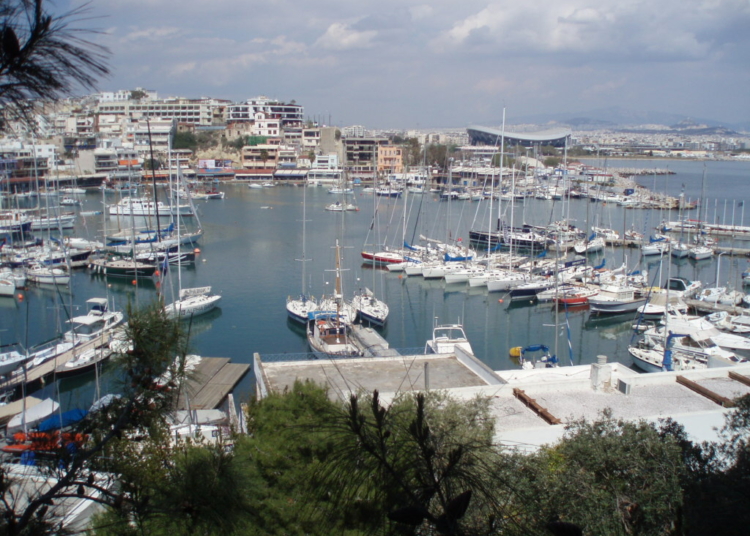
Photo Source: Templar52
In the same way, another region of Attica, the so-called Mounichia, has now changed its name. The reason for Mikrolimano that was once (in antiquity), then, was called the port of Mounichias as well as the wider area. How did that name come about? According to Euripides (ancient poet) in Hippolytos, the original founder of the area was the mythical hero “Mounychos” who settled in the area with their followers “Minyes”. However, gradually and over the years, other historical events took place and eventually remained the name Microlimano.
With information from the book: Neighbourhoods of old Athens. The Metaxourgio. Kolonos- Plato Academy, by Costas Hatziotis, publications of the Municipality of Athens, Athenian Library
Read also:
Vardaris: The hidden beach of Attica for a quiet swimming
Archapolis: The enigmatic Greek city and the legend of its disappearance
Burned Country: The Greek village that was built… on the lava
Frequently Asked Questions
Hezolitharo is a historical area in central Athens that was part of what is now known as Metaxourgio. It is essentially a section located between Metaxourgio and Botanikos. The area got its name from the silk factory operations established by the Dourotis brothers in the early 20th century, and the name eventually evolved to become Metaxourgio as it is known today.
The area was named Hezolitharo due to the silk factory established by brothers Athanasios and his partner after their marriage connected them to Michael Iatrou's family. They created the 'Seric Society of Greece A. G. Douroutis and Co' and purchased a bankrupt English silk factory. The property titles alternately mentioned place names including 'Chrismeno lithari' (Anointed stone), 'Grysolitharo,' and 'Hezolitharo,' with the latter name eventually sticking to both the factory and the surrounding area.
Mounichia was renamed to Mikrolimano, which means 'small harbor.' In ancient times, Mounichia was known as the port of Mounichias and the wider surrounding area. The name derived from the mythical hero Mounychos who, according to the ancient poet Euripides, founded the area and settled there with followers called the Minyes. Over time, historical events led to the area becoming known as Mikrolimano.
According to the ancient Greek poet Euripides in his work 'Hippolytos,' Mounychos was a mythical hero who originally founded the area now known as Mikrolimano in Attica. He settled in the area with his followers, known as the Minyes. The port and surrounding region were named after him as Mounichia, though this name has since changed to Mikrolimano.
While the article focuses on two specific areas with strange names - Hezolitharo (now Metaxourgio) and Mounichia (now Mikrolimano) - the post indicates that many regions throughout Attica have been renamed over the past 30 years. This reflects the rich and complex history of Attica, which is filled with facts, stories, myths, and legends that have influenced how various regions are named and known over time.


